.png)
The past decade has witnessed remarkable growth in alternative proteins and food technology—from plant-based meat and dairy substitutes to cell-cultured meats and fermentation-derived ingredients. This surge in innovation stems from shifting consumer preferences toward health and sustainability, growing concerns about animal agriculture's environmental footprint, and biotechnology advances enabling novel food creation.
Investment figures highlight this trend's significance. Global venture funding in food-tech and indoor agriculture startups reached unprecedented heights around 2020-2021, with over $1 billion invested in 2021 alone 1. Alternative protein companies captured approximately 27% of all agri-food-tech venture investment that year3. This substantial financial backing has powered a vibrant ecosystem of innovators, from established players like Impossible Foods and Beyond Meat to startups developing cultured chicken, beef, and seafood in bioreactors.
Market indicators further demonstrate this sector's momentum. U.S. sales of plant-based meat alternatives more than doubled between 2015 and 2020, exceeding $1.4 billion annually. Plant-based milk now represents over 10% of the total U.S. milk market by volume. While the global alternative protein sector is projected to grow substantially in the coming decade, market realities have recently tempered initial enthusiasm. By 2022-2023, growth in some plant-based categories slowed as companies recognized that taste, price, and nutrition need further refinement to attract mainstream consumers.
This market evolution underscores several critical needs in the food innovation ecosystem:
The Plant Innovation Center directly addresses these ecosystem needs through our integrated approach. Our Food Innovation Labs and Kitchens will provide startups with specialized facilities to develop and refine new products. A plant-based dairy startup, for example, can use our pilot kitchen to pasteurize and homogenize their milk alternative—processes impossible in standard co-working spaces.
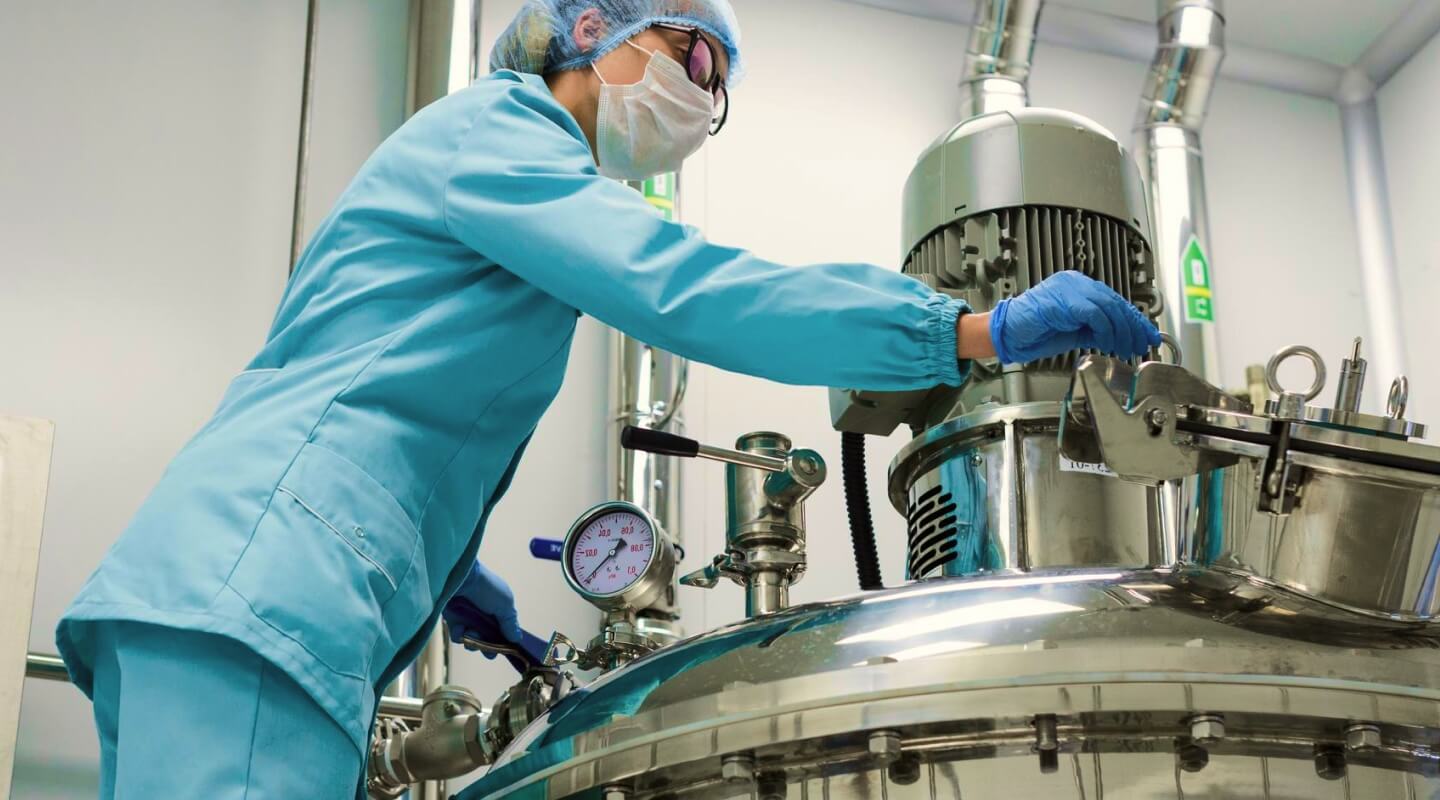
What makes our model particularly powerful is the connection between food innovation and biomanufacturing capabilities. Many alternative proteins rely on precision fermentation to produce specific ingredients. With our pilot biomanufacturing facility, a startup can scale production to the 1,000-5,000 liter level for testing, then immediately combine it with other ingredients in our food lab to finalize their product. This seamless integration accelerates development cycles and reduces time to market.
Our location in California's agricultural heartland creates additional advantages, linking innovators to raw materials, processing expertise, and market opportunities. By leveraging proximity to UC's food science programs and established food companies, we're building a "go-to venue" where startups and corporate R&D teams can collaborate, test concepts, and receive mentoring from experienced food scientists.
For the alternative protein sector to realize its full potential, we recommend several strategic approaches:
The food technology revolution is well underway. With strategic support and proper infrastructure, it can deliver on its promises of environmental benefits, improved nutrition, and new economic opportunities across the agricultural landscape.
2. Good Food Institute. (2022). State of the Industry Report: Alternative Proteins.
3. Poore, J., & Nemecek, T. (2018). Reducing food's environmental impacts through producers and consumers. Science, 360(6392), 987-992.
.svg)